 by
by Introduction
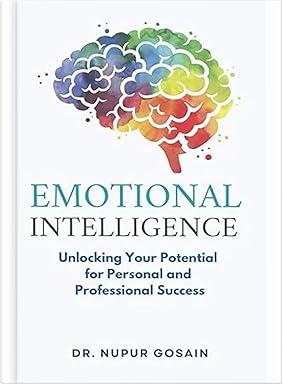
In today’s fast-paced world, intelligence alone doesn’t guarantee success. You could be a math wizard or a tech genius, but if you lack the ability to navigate emotions—your own or others’—your growth potential can hit a ceiling. This is where emotional intelligence steps in, and no book has articulated this concept better than Emotional Intelligence by Daniel Goleman.
If you haven’t yet explored this revolutionary work, now is the perfect time. Grab your copy here and transform the way you think, feel, and interact.
What is Emotional Intelligence?
Emotional intelligence (EI) is the ability to recognize, understand, manage, and influence emotions—both in yourself and others. Daniel Goleman popularized this concept in the mid-1990s, challenging the traditional belief that IQ alone predicts success. His research demonstrates that people with high emotional intelligence often outperform those with higher IQs in leadership, relationships, and personal well-being.
Goleman breaks down EI into five core components:
- Self-Awareness – Understanding your emotions, triggers, and strengths.
- Self-Regulation – Managing impulses and maintaining control.
- Motivation – Harnessing emotions to achieve goals.
- Empathy – Recognizing and understanding others’ emotions.
- Social Skills – Building relationships and influencing effectively.
Each of these components can be developed, making emotional intelligence a skill, not just an innate trait.
Why Emotional Intelligence Matters More Than Ever
In a world dominated by technology and automation, human skills like empathy, communication, and self-awareness are priceless. Goleman’s work emphasizes that individuals with high emotional intelligence excel in areas where machines cannot—like leadership, conflict resolution, and teamwork.
Consider this: a person with high IQ but low emotional intelligence may struggle to handle workplace conflicts or motivate their team. On the other hand, someone with strong EI can inspire collaboration, manage stress effectively, and navigate challenging situations with grace.
Moreover, research shows that emotional intelligence is linked to mental health, job performance, and overall life satisfaction. By understanding and managing emotions, individuals can reduce stress, improve relationships, and enhance decision-making abilities.
If you want to elevate your career and personal life, investing in your emotional intelligence is a game-changer. Pick up your copy of Emotional Intelligence by Daniel Goleman today and start your transformative journey.
The Five Components of Emotional Intelligence in Detail
1. Self-Awareness: The Foundation of EI
Self-awareness is the cornerstone of emotional intelligence. It involves recognizing your emotions, understanding how they affect your behavior, and knowing your strengths and weaknesses.
People with high self-awareness are better at:
- Making informed decisions
- Handling stress effectively
- Building authentic relationships
Goleman emphasizes that self-awareness is not about self-criticism—it’s about objective understanding. Journaling, mindfulness practices, and feedback from trusted peers can significantly enhance self-awareness.
2. Self-Regulation: Controlling Your Emotional Responses
Self-regulation allows you to respond thoughtfully rather than react impulsively. This skill is critical in both personal and professional contexts.
Techniques to improve self-regulation include:
- Pause and reflect: Before reacting, take a moment to assess the situation.
- Stress management: Engage in deep breathing, meditation, or exercise to stay calm.
- Adaptability: Learn to adjust to changing circumstances without frustration.
High self-regulation contributes to emotional resilience, increased productivity, and improved interpersonal relationships.
3. Motivation: Driving Yourself Forward
Motivation in the context of emotional intelligence is about inner drive, passion for your work, and commitment to personal goals. Goleman highlights that emotionally intelligent people are motivated by internal rewards, not just external recognition or money.
Ways to cultivate motivation:
- Set personal, meaningful goals
- Celebrate small wins
- Focus on learning rather than outcomes
Motivation is essential for leadership, perseverance, and long-term success. Without it, even high intelligence cannot sustain achievement.
4. Empathy: Understanding Others Deeply
Empathy is the ability to understand and share the feelings of others. It is the bridge between self-awareness and effective social interaction.
Empathetic people excel in:
- Resolving conflicts
- Leading diverse teams
- Enhancing customer relationships
Goleman identifies three types of empathy: cognitive empathy (understanding thoughts), emotional empathy (sharing feelings), and compassionate empathy (acting to help others). Practicing active listening and being genuinely curious about others’ perspectives can dramatically improve empathy.
5. Social Skills: Building Meaningful Connections
Social skills are the outward manifestation of emotional intelligence. They involve managing relationships, communicating effectively, and inspiring others.
Strong social skills help in:
- Networking and collaboration
- Conflict resolution
- Leadership and influence
By combining empathy with strong communication, emotionally intelligent individuals can create positive environments in both personal and professional settings.
Emotional Intelligence vs. IQ: The Real Predictor of Success
While IQ measures analytical and cognitive abilities, emotional intelligence predicts success in life and work. Research supports this: high EI individuals often enjoy better mental health, stronger relationships, and higher career success.
Goleman’s work challenges traditional education and corporate practices, advocating for EQ (emotional quotient) development alongside IQ. Companies investing in EI training often see improved teamwork, employee satisfaction, and overall productivity.
How Emotional Intelligence Impacts Workplace Success
In corporate environments, emotional intelligence is a game-changer. Leaders with high EI inspire trust, manage stress effectively, and navigate challenges with agility. Employees with high EI are more adaptable, cooperative, and motivated.
Here’s how EI manifests in the workplace:
- Conflict resolution: Understanding emotions helps resolve disputes constructively.
- Leadership effectiveness: Leaders with high EI build loyalty and motivation.
- Team collaboration: Emotional awareness fosters empathy and mutual respect.
- Customer relations: Empathy enhances client satisfaction and retention.
Investing in emotional intelligence training can significantly enhance both individual performance and organizational culture.
Practical Steps to Boost Your Emotional Intelligence
Daniel Goleman’s book is not just theoretical; it’s a practical guide. Here are actionable steps to improve your EI:
- Practice mindfulness: Awareness of your emotions is the first step.
- Seek feedback: Honest feedback helps you understand blind spots.
- Develop empathy: Engage in active listening and perspective-taking.
- Regulate your emotions: Pause, breathe, and respond rather than react.
- Enhance social skills: Focus on collaboration, communication, and relationship-building.
Implementing these steps consistently can lead to significant personal and professional growth.
Real-Life Applications of Emotional Intelligence
Emotional intelligence isn’t just a corporate tool; it impacts every aspect of life.
Personal Relationships
High EI allows you to communicate effectively, understand your partner’s emotions, and resolve conflicts constructively. This leads to stronger bonds and healthier relationships.
Parenting
Parents with high EI model emotional regulation and empathy, shaping emotionally intelligent children who can navigate life successfully.
Education
Teachers with high EI foster positive learning environments, manage classrooms better, and connect with students on an emotional level, improving academic outcomes.
Health and Wellbeing
By managing stress and understanding emotions, individuals with high EI enjoy better mental and physical health, reducing the risk of burnout, anxiety, and depression.
Why “Emotional Intelligence by Daniel Goleman” Should Be on Your Shelf
This book is more than a guide—it’s a roadmap to self-discovery and success. Goleman combines research, real-life examples, and actionable strategies to help readers understand and enhance their emotional intelligence.
Here’s why you should consider reading it:
- Learn the science behind emotions and behavior
- Gain practical techniques to boost your EI
- Understand the connection between emotions, relationships, and success
- Apply lessons in both personal and professional life
If you’re serious about improving your life, get your copy of Emotional Intelligence by Daniel Goleman here.
Emotional Intelligence: The Competitive Edge
In a world where knowledge is ubiquitous, emotional intelligence becomes the competitive advantage. It helps you lead effectively, collaborate seamlessly, and navigate challenges with resilience.
Companies now prioritize EI in hiring and training, recognizing that technical skills can be taught, but emotional intelligence can’t be easily replicated.
By reading Goleman’s book and practicing EI, you can:
- Become a better leader and team player
- Strengthen personal and professional relationships
- Manage stress and make thoughtful decisions
- Unlock your true potential
Conclusion: Transform Your Life with Emotional Intelligence
Emotional intelligence is no longer optional—it’s essential. Daniel Goleman’s groundbreaking work equips readers with the tools to understand, manage, and harness emotions for success.
Whether you want to enhance your career, improve relationships, or achieve personal growth, developing your emotional intelligence is the key. Don’t wait—start your journey today.
Click here to buy Emotional Intelligence by Daniel Goleman and unlock the secrets to emotional mastery.
“Start Your Website Journey Today – Exclusive Hostinger Discounts!”

Turn Any Idea into Viral,
Jaw-Dropping AI Videos in Seconds!