 by
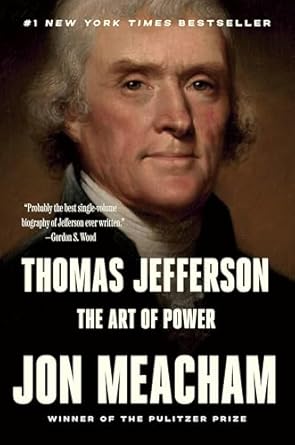
by Thomas Jefferson: The Art of Power – A Masterclass in Leadership, Ambition, and American Democracy
When we think about Thomas Jefferson, most of us instantly picture the lofty ideals — “all men are created equal,” liberty, freedom, democracy. But behind the poetic words and iconic legacy was a deeply complex human being: ambitious, strategic, sometimes contradictory, and always politically sharp.
That’s exactly what Jon Meacham captures in Thomas Jefferson: The Art of Power — not a marble statue of a Founding Father, but a living, breathing political operator who understood power, used it skillfully, and shaped the course of American history.
This book isn’t just biography. It’s a leadership playbook, a political case study, and a mirror for modern power dynamics — all wrapped into one compelling narrative.
👉 You can check out the book here: Thomas Jefferson: The Art of Power – Amazon
Why This Book Still Matters Today
In an age of polarized politics, fragile democracies, and loud leadership, Meacham’s Jefferson feels eerily modern. The book answers questions that still matter:
- How does idealism survive in real politics?
- Can morality and power coexist?
- Is compromise a weakness or a strategy?
Meacham doesn’t dodge Jefferson’s flaws. Instead, he explains how Jefferson navigated them — and how those decisions still echo today.
Jon Meacham’s Unique Storytelling Style
One reason this book stands out among political biographies is Meacham’s narrative voice. He writes history like a seasoned journalist — accessible, engaging, and deeply researched without being academic or boring.
You don’t feel like you’re reading a textbook. You feel like you’re watching power unfold behind closed doors.
What Meacham Does Brilliantly:
- Connects Jefferson’s private letters to public decisions
- Explains political strategy without jargon
- Balances admiration with honest critique
That balance is rare — and refreshing.
Thomas Jefferson: Idealist and Pragmatist
Jefferson believed deeply in liberty, yet he was also a master tactician. This tension forms the emotional core of the book.
The Idealist
- Advocate of religious freedom
- Champion of limited government
- Author of the Declaration of Independence
The Pragmatist
- Expanded executive power through the Louisiana Purchase
- Made political compromises to preserve the republic
- Used party politics strategically
Meacham shows that Jefferson didn’t abandon ideals — he adapted them to survive political reality.
The Art of Power: What Jefferson Really Mastered
The subtitle of the book isn’t accidental. Jefferson understood that power isn’t just about authority — it’s about timing, persuasion, and restraint.
Key Power Lessons from Jefferson:
- Speak softly, act decisively
- Build alliances quietly
- Let others take the spotlight when needed
- Play the long game
Jefferson rarely sought confrontation. Instead, he influenced events from behind the scenes — a leadership style many modern politicians could learn from.
Jefferson vs. Hamilton: Two Visions of America
One of the most engaging sections of the book explores Jefferson’s rivalry with Alexander Hamilton.
- Hamilton favored strong centralized power
- Jefferson believed in agrarian democracy and states’ rights
Meacham doesn’t frame this as good vs. evil — but as a necessary tension that shaped the American system.
Without Hamilton’s structure, Jefferson’s ideals might have collapsed. Without Jefferson’s vision, Hamilton’s system could have become authoritarian.
The Louisiana Purchase: Power in Action
Perhaps the most fascinating contradiction in Jefferson’s career was the Louisiana Purchase.
- Jefferson believed in strict constitutional interpretation
- The purchase technically exceeded presidential authority
- Yet it doubled America’s size overnight
Meacham frames this moment as Jefferson choosing national survival over personal purity — a defining act of leadership.
It’s here the book truly earns its title.
Jefferson’s Contradictions and Moral Complexity
Meacham does not ignore Jefferson’s most uncomfortable truth: slavery.
Jefferson wrote about equality while owning enslaved people — a contradiction Meacham examines with honesty, context, and moral clarity.
Rather than excusing Jefferson or condemning him simplistically, the book asks readers to wrestle with history as it actually happened — messy, flawed, and human.
This makes Thomas Jefferson: The Art of Power a mature and thoughtful read, not a hero-worship exercise.
What Modern Leaders Can Learn from This Book
This book isn’t just for history lovers. It’s especially valuable for:
- Political thinkers
- Business leaders
- Entrepreneurs
- Policy students
- Anyone interested in leadership psychology
Timeless Leadership Lessons:
- Power requires patience
- Ideals need strategy to survive
- Ego can destroy movements
- Compromise isn’t surrender
Jefferson understood that lasting change happens incrementally, not through constant confrontation.
Who Should Read This Book?
You’ll love this book if you:
- Enjoy political biographies
- Want to understand American democracy deeply
- Appreciate nuanced leadership stories
- Like history written in a modern, engaging style
👉 Grab your copy here: Thomas Jefferson: The Art of Power – Amazon
How This Book Compares to Other Jefferson Biographies
Unlike dry academic biographies, Meacham focuses on decision-making under pressure.
This makes the book feel closer to:
- A political thriller
- A leadership case study
- A psychological portrait
It’s not about dates and events alone — it’s about why choices were made.
Final Verdict: Is It Worth Reading?
Absolutely.
Thomas Jefferson: The Art of Power is one of the finest political biographies ever written. It doesn’t tell you what to think — it invites you to understand how power actually works.
You’ll finish the book not just knowing Jefferson better, but thinking differently about leadership, compromise, and democracy.
⭐ Rating: 4.8/5
👉 Buy the book here: https://amzn.to/3MMgTzc
Frequently Asked Questions (FAQs)
What is Thomas Jefferson: The Art of Power about?
Thomas Jefferson: The Art of Power by Jon Meacham explores the life, personality, and political strategy of Thomas Jefferson. Instead of portraying him as a flawless Founding Father, the book presents Jefferson as a complex leader who understood how to balance ideals with the practical realities of power. It focuses heavily on how Jefferson shaped American democracy through careful decision-making and strategic compromise.
Is this book a biography or a political analysis?
It’s both. While the book is a detailed biography of Thomas Jefferson, it also reads like a political and leadership analysis. Jon Meacham explains why Jefferson made certain choices, not just what he did, making the book especially valuable for readers interested in leadership, governance, and power dynamics.
Is Thomas Jefferson: The Art of Power easy to read for beginners?
Yes. Despite being deeply researched, the book is written in an engaging and accessible style. You don’t need an academic background in American history to enjoy it. Meacham’s storytelling approach makes complex political ideas easy to understand for general readers.
Does the book address Thomas Jefferson’s contradictions and flaws?
Absolutely. One of the strongest aspects of the book is its honesty. Jon Meacham openly discusses Jefferson’s contradictions, including his views on liberty alongside his ownership of enslaved people. The book neither blindly praises nor harshly condemns Jefferson—it presents a balanced and thoughtful examination of his character.
What leadership lessons can readers learn from this book?
Readers can learn valuable lessons about patience, compromise, and strategic thinking. Jefferson’s ability to influence outcomes without always being in the spotlight shows that power doesn’t have to be loud or aggressive. These lessons are highly relevant for modern leaders, entrepreneurs, and decision-makers.
How is this book different from other Thomas Jefferson biographies?
Unlike traditional biographies that focus mainly on dates and events, The Art of Power emphasizes decision-making and political strategy. It explains how Jefferson used influence, alliances, and timing to shape history, making it feel more like a leadership case study than a standard history book.
Who should read Thomas Jefferson: The Art of Power?
This book is ideal for history enthusiasts, students, political thinkers, leadership learners, and anyone curious about how power works in real life. If you enjoy biographies that offer insight into human behavior and decision-making, this book is a strong choice.
Is this book still relevant in today’s political climate?
Very much so. The themes of political division, leadership challenges, and balancing ideals with reality feel incredibly modern. Jefferson’s struggles with governance mirror many issues faced by today’s leaders, making the book surprisingly relevant for contemporary readers.
Where can I buy Thomas Jefferson: The Art of Power?
You can purchase the book online from Amazon. Here’s a convenient link to check the latest price and availability:
👉 https://amzn.to/3MMgTzc
Must-Read Book Summaries You’ll Love
If leadership, mindset, influence, and personal growth fascinate you, don’t stop here. These hand-picked book summaries from our blog dive deeper into psychology, success, motivation, power, and timeless wisdom—each packed with practical takeaways you can use immediately:
Discover the psychology behind why people say “yes” and how ethical persuasion can transform leadership and decision-making.
Learn the life-changing power of seeing the world as it truly is, backed by data, logic, and optimism that reshapes how leaders think.
A deep dive into Daniel H. Pink’s revolutionary ideas on motivation—and why autonomy, mastery, and purpose matter more than rewards.
Explore how vulnerability becomes strength, helping leaders build trust, courage, and wholehearted living in both work and life.
A timeless guide to living in the present moment, reducing stress, and unlocking inner clarity—essential for mindful leadership.
An inside look at the mind of a visionary who is reshaping the future through relentless ambition, innovation, and risk-taking.
A bold exploration of power, politics, and leadership realities, offering lessons that remain surprisingly relevant today.
Master timeless strategies for winning—not just in war, but in business, leadership, and everyday challenges.
Uncover the money lessons schools never taught you, and reshape how you think about wealth, assets, and financial freedom.
The 7 Habits of Highly Effective People by Stephen R. Covey
A classic blueprint for personal effectiveness, leadership excellence, and long-term success that never goes out of style.
- Why Explore These Book Summaries?
- ✔ Quick insights from bestselling books
- ✔ Practical lessons for leadership & growth
- ✔ Easy-to-read, human-written summaries
- ✔ Perfect for lifelong learners & leaders
👉 Bookmark these reads and keep sharpening your leadership edge.
“Start Your Website Journey Today – Exclusive Hostinger Discounts!”

Turn Any Idea into Viral,
Jaw-Dropping AI Videos in Seconds!