 by
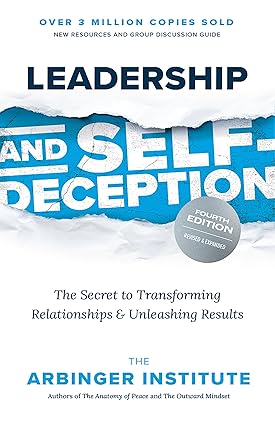
by Leadership and Self-Deception by The Arbinger Institute: Why Great Leaders First Fix Themselves
If you’ve ever wondered why smart leaders make bad decisions…
Why well-meaning managers create toxic workplaces…
Or why “doing the right thing” sometimes still feels wrong…
Then Leadership and Self-Deception by The Arbinger Institute might quietly change the way you see leadership—and yourself.
This isn’t a loud, theory-heavy leadership book. It’s more like a calm conversation that slowly holds up a mirror. And what you see there? That’s where the real work begins.
In this in-depth review, we’ll explore:
- What self-deception really means in leadership
- The powerful idea of being “in the box” vs “out of the box”
- Why most leadership failures aren’t skill problems—but mindset problems
- How this book applies to business, management, parenting, and relationships
- Whether this book is worth buying (spoiler: for many people, yes)
👉 You can check the book here: Leadership and Self-Deception by The Arbinger Institute
What Is “Leadership and Self-Deception” Really About?
At its core, this book argues something bold yet uncomfortable:
Leadership problems don’t start with others. They start with us.
The Arbinger Institute introduces the idea of self-deception—the moment we lie to ourselves to justify our own behavior while blaming others.
Instead of saying:
- “I messed up.”
we say: - “They’re incompetent.”
- “They don’t care.”
- “If they just listened to me, everything would be fine.”
Sound familiar? 😅
The book uses a storytelling format, following a leader named Tom as he slowly realizes how his mindset—not his employees—is causing most of his problems.
This narrative style makes the book:
- Easy to read
- Relatable
- Surprisingly emotional at times
The Central Idea: “In the Box” vs “Out of the Box”
One of the most powerful concepts in the book is the idea of the box.
Being “In the Box”
When you’re in the box:
- You see others as objects (obstacles, tools, threats)
- You justify your own mistakes
- You exaggerate others’ flaws
- You feel defensive, stressed, and morally superior
Ironically, when you’re in the box, you often believe:
“I’m right. Everyone else is the problem.”
But that belief is the problem.
Being “Out of the Box”
When you’re out of the box:
- You see people as people
- You take responsibility without self-attack
- You listen more and defend less
- You lead with clarity, not control
The book emphasizes that leadership effectiveness flows naturally when you’re out of the box—not because you’re perfect, but because you’re honest.
Why Self-Deception Destroys Leadership (Quietly)
One of the most unsettling truths in the book is this:
Self-deception feels like self-justification—but it creates blind spots.
Here’s how it damages leadership:
1. It Turns Feedback Into Threats
Leaders in self-deception:
- Reject feedback
- Explain instead of listening
- Feel personally attacked by questions
2. It Creates Blame Cultures
When leaders blame:
- Teams stop taking ownership
- Innovation drops
- Fear replaces trust
3. It Breaks Relationships
Employees can feel when they’re being treated as:
- Problems instead of people
- Costs instead of contributors
And once trust is gone, no leadership technique can fully restore it.
Leadership Lessons That Hit Hard (In a Good Way)
This book doesn’t give you 21 habits or fancy acronyms. Instead, it offers quiet but lasting shifts.
1. Self-Betrayal Is the Root of Self-Deception
Self-betrayal happens when:
- You know the right thing to do…
- And choose not to do it.
To feel okay about that choice, your mind creates stories:
- “They deserved it.”
- “It wasn’t my responsibility.”
- “I had no choice.”
Those stories build the box.
2. You Can’t Fix Problems You’re Justifying
Leaders often ask:
“How do I fix my team?”
This book gently flips the question to:
“What am I justifying about myself right now?”
That shift alone can unlock more progress than years of management training.
Real-World Applications (Beyond the Office)
One reason Leadership and Self-Deception is so popular is that it applies far beyond business.
In Management & Corporate Leadership
- Improves team engagement
- Reduces conflict
- Builds authentic accountability
In Entrepreneurship
- Helps founders stop blaming markets, customers, or employees
- Encourages responsibility without burnout
In Parenting
- Teaches parents to see children as people, not problems
- Reduces power struggles
In Relationships
- Helps couples stop keeping score
- Replaces defensiveness with empathy
That’s rare for a leadership book—and incredibly valuable.
Writing Style: Simple, Story-Driven, and Human
If you’re tired of:
- Dry leadership jargon
- Overly academic explanations
- “Alpha leader” nonsense
You’ll enjoy this book.
The Arbinger Institute writes in a conversational, almost therapeutic tone. You don’t feel preached to—you feel guided.
It’s the kind of book where you pause mid-page and think:
“Oh… I do that.”
Who Should Read This Book?
This book is especially useful if you are:
- A manager or team leader
- An HR professional
- A business owner or entrepreneur
- A coach or consultant
- Anyone struggling with conflict, blame, or frustration
Even if you don’t hold a formal leadership role, this book helps you lead yourself first—which is where all leadership begins.
👉 You can get your copy here: Leadership and Self-Deception by The Arbinger Institute
Key Takeaways From Leadership and Self-Deception
✔ Leadership starts with mindset, not authority
✔ Self-deception is invisible—but costly
✔ Seeing people as people changes everything
✔ Responsibility beats control
✔ You can’t lead others well if you’re lying to yourself
These aren’t motivational quotes. They’re uncomfortable truths—and that’s why they work.
Pros and Cons of the Book
✅ Pros
- Easy to read and understand
- Story-based and engaging
- Deeply practical
- Applies to work and personal life
- Timeless leadership principles
❌ Cons
- Not a tactical “how-to” guide
- May feel repetitive for some readers
- Requires self-reflection (not everyone likes that 😄)
Final Verdict: Is It Worth Reading?
Yes—especially if you’re ready to grow, not just manage.
Leadership and Self-Deception doesn’t teach you how to look like a leader.
It teaches you how to be one.
And the change it asks for?
It’s not loud. It’s not flashy.
But it’s real—and it lasts.
👉 Highly recommended: Buy Leadership and Self-Deception by The Arbinger Institute
Frequently Asked Questions About Leadership and Self-Deception
1. What is Leadership and Self-Deception by The Arbinger Institute about?
Leadership and Self-Deception focuses on how leaders unknowingly lie to themselves to justify their behavior, a mindset the book calls self-deception. The Arbinger Institute explains that most leadership and workplace problems don’t come from lack of skills or effort—but from being “in the box,” where leaders see others as obstacles rather than people. The book shows how changing this mindset leads to better leadership, stronger relationships, and healthier organizations.
2. Is Leadership and Self-Deception a good book for managers and team leaders?
Yes, this book is highly recommended for managers, supervisors, and team leaders. It helps leaders understand how their attitudes and assumptions directly impact team morale, accountability, and performance. Instead of offering rigid management techniques, it focuses on inner leadership awareness, which makes its lessons practical and long-lasting.
3. What does “being in the box” mean in leadership?
Being “in the box” means viewing other people as problems, threats, or tools rather than as individuals with their own needs and perspectives. When leaders are in the box, they justify their own mistakes and blame others. Leadership and Self-Deception teaches that effective leadership begins when leaders step out of the box and take responsibility for how they see and treat others.
4. How is Leadership and Self-Deception different from other leadership books?
Unlike many leadership books that focus on strategies, productivity systems, or authority, Leadership and Self-Deception focuses on mindset and self-awareness. The Arbinger Institute uses a story-based approach to explain deep psychological concepts in a simple, relatable way. This makes the book more personal, reflective, and applicable beyond just the workplace.
5. Can Leadership and Self-Deception help with workplace conflict?
Absolutely. The book is especially useful for resolving workplace conflicts, improving communication, and reducing blame within teams. By helping leaders recognize their own self-deception, it encourages empathy, accountability, and honest dialogue—key ingredients for healthy professional relationships.
6. Is Leadership and Self-Deception useful outside of business and leadership roles?
Yes. Although it’s framed as a leadership book, its lessons apply to parenting, marriage, friendships, and personal growth. Anyone who struggles with blame, frustration, or misunderstanding in relationships can benefit from the ideas shared in this book.
7. Is Leadership and Self-Deception easy to read?
Yes, the book is written in a simple, conversational, and story-driven style. It avoids complex theories and management jargon, making it easy for readers from all backgrounds to understand and apply its principles.
8. Who should read Leadership and Self-Deception by The Arbinger Institute?
This book is ideal for:
- Business leaders and managers
- HR professionals and coaches
- Entrepreneurs and startup founders
- Parents and educators
- Anyone interested in self-awareness and personal growth
If you want to improve how you lead, communicate, and relate to others, this book is a valuable read.
9. Is Leadership and Self-Deception worth buying?
If you’re open to honest self-reflection and personal responsibility, then yes—Leadership and Self-Deception is absolutely worth buying. Many readers find it transformational because it helps them identify blind spots that traditional leadership training often ignores.
👉 You can explore the book here: https://amzn.to/48XhCF8
10. What is the main takeaway from Leadership and Self-Deception?
The biggest takeaway is that leadership effectiveness begins with how we see others. When leaders stop justifying themselves and start seeing people as people, trust grows, conflict reduces, and true leadership emerges naturally.
Must-Read Book Summaries You’ll Love
If leadership, mindset, influence, and personal growth fascinate you, don’t stop here. These hand-picked book summaries from our blog dive deeper into psychology, success, motivation, power, and timeless wisdom—each packed with practical takeaways you can use immediately:
Discover the psychology behind why people say “yes” and how ethical persuasion can transform leadership and decision-making.
Learn the life-changing power of seeing the world as it truly is, backed by data, logic, and optimism that reshapes how leaders think.
A deep dive into Daniel H. Pink’s revolutionary ideas on motivation—and why autonomy, mastery, and purpose matter more than rewards.
Explore how vulnerability becomes strength, helping leaders build trust, courage, and wholehearted living in both work and life.
A timeless guide to living in the present moment, reducing stress, and unlocking inner clarity—essential for mindful leadership.
An inside look at the mind of a visionary who is reshaping the future through relentless ambition, innovation, and risk-taking.
A bold exploration of power, politics, and leadership realities, offering lessons that remain surprisingly relevant today.
Master timeless strategies for winning—not just in war, but in business, leadership, and everyday challenges.
Uncover the money lessons schools never taught you, and reshape how you think about wealth, assets, and financial freedom.
The 7 Habits of Highly Effective People by Stephen R. Covey
A classic blueprint for personal effectiveness, leadership excellence, and long-term success that never goes out of style.
- Why Explore These Book Summaries?
- ✔ Quick insights from bestselling books
- ✔ Practical lessons for leadership & growth
- ✔ Easy-to-read, human-written summaries
- ✔ Perfect for lifelong learners & leaders
👉 Bookmark these reads and keep sharpening your leadership edge.
“Start Your Website Journey Today – Exclusive Hostinger Discounts!”

Turn Any Idea into Viral,
Jaw-Dropping AI Videos in Seconds!