April 27, 2026

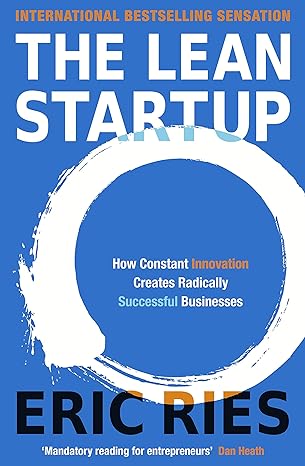
Lessons from “The Lean Startup” by RIES ERIC

The Lean Startup by Eric Ries revolutionizes the way businesses approach innovation and growth. It introduces a methodology centered on rapid experimentation, validated learning, and a focus on customer feedback. The book guides entrepreneurs in creating successful startups by minimizing waste, quickly iterating on ideas, and making data-driven decisions. With its core principles like the Build-Measure-Learn feedback loop, Minimum Viable Product (MVP), and the concept of pivoting, The Lean Startup offers a blueprint for building sustainable businesses in today’s fast-paced, uncertain market.

Lessons from “Harper Collins India Predictably Irrational by Dan Ariely

“Predictably Irrational: The Hidden Forces That Shape Our Decisions by Dan Ariely, published by HarperCollins India, delves into the quirks and biases that influence our everyday decisions. Ariely, a behavioral economist, challenges the notion of human rationality, revealing that our choices are often far from logical. Through engaging experiments and compelling anecdotes, the book uncovers how emotions, social norms, and cognitive biases lead us to make seemingly irrational decisions. It’s a fascinating exploration of the predictable patterns behind our irrational behavior, offering insights that can help us better understand ourselves and improve our decision-making.”

25 Lessons from “HOOKED” by Nir Eyal

**”Hooked: How to Build Habit-Forming Products” by Nir Eyal** is a must-read for entrepreneurs, product designers, and marketers looking to create products that captivate users and encourage repeat engagement. Eyal introduces the Hook Model, a four-step process—Trigger, Action, Variable Reward, and Investment—that guides readers in building products people can’t put down. The book blends psychology, behavioral economics, and real-world examples to offer actionable insights into what makes a product addictive, while also addressing the ethical considerations of designing for habit formation.

Learnings from “The Hard Thing About Hard Things” by Ben Horowitz: Navigating the Toughest Challenges in Business

In “The Hard Thing About Hard Things,” Ben Horowitz, co-founder of Andreessen Horowitz, offers a candid and practical guide to facing the most challenging aspects of leading and growing a business. Drawing from his own experiences as a tech entrepreneur, Horowitz delves into the reality that no amount of preparation can fully equip a leader for the toughest decisions—like firing a close friend, pivoting a struggling company, or dealing with failure. This book isn’t about smooth sailing; it’s about how to survive and thrive when things get rough, offering actionable advice on managing crises, building a resilient team, and making the hard decisions that ultimately define a successful leader.

25 Lessons from “Execution” by Charles Burck,  Larry Bossidy & Ram Charan

“Execution: The Discipline of Getting Things Done,” co-authored by Larry Bossidy, Ram Charan, and Charles Burck, is a powerful guide for leaders who want to achieve tangible results in their organizations. The book emphasizes that execution—the ability to implement strategies effectively—is the most critical aspect of business success. It outlines how to build a culture of accountability, align people with strategy, and ensure that leaders are deeply involved in the execution process. By integrating practical insights with real-world examples, “Execution” provides a roadmap for turning plans into action and achieving sustained success in any business.

25 Lessons from “Leaders Eat Last” by SINEK SIMON

Leaders Eat Last by Simon Sinek explores the concept of leadership centered around trust, empathy, and putting the well-being of others first. Sinek argues that great leaders create environments where team members feel safe and valued, which in turn fosters loyalty, collaboration, and long-term success. By prioritizing the needs of their team, leaders can build strong, resilient organizations where everyone thrives. The book offers insights on how to cultivate a culture of trust and lead with empathy in both personal and professional settings.

25 Lessons from “The 4-Hour Work Week” by FERRIS TIMOTHY

Discover how Timothy Ferriss’s *The 4-Hour Workweek* can transform your approach to work and life. In this groundbreaking book, Ferriss outlines strategies for escaping the traditional 9-to-5 grind and creating a lifestyle of freedom and flexibility. Learn how to set clear goals, eliminate time-wasters, delegate tasks, and automate your workload to achieve more in less time. Whether you’re looking to start a side business, work remotely, or take mini-retirements, Ferriss’s principles offer practical advice for designing a life that aligns with your passions and values. Dive into this guide to unlock the secrets of working smarter, not harder, and living life on your own terms.

Eat That Frog!: 21 Great Ways to Stop Procrastinating and Get More Done in Less Time

Eat That Frog! by Brian Tracy is a practical guide on overcoming procrastination and boosting productivity. The book presents 21 techniques to help readers tackle their most important tasks more efficiently.

The title metaphor refers to the idea of handling your most challenging task (the “frog”) first thing in the day, which sets a productive tone for the rest of the day. Key strategies include setting clear goals, prioritizing tasks, planning effectively, and eliminating distractions. Tracy emphasizes the importance of time management and offers actionable advice on how to manage tasks and achieve personal and professional success by focusing on high-impact activities.

25 Lessons from “Start With Why” by SINEK SIMON

“Start With Why” by Simon Sinek explores a powerful approach to leadership and business success by emphasizing the importance of starting with a clear purpose. Sinek argues that successful individuals and organizations are driven by a strong sense of “why”—a core belief or mission that inspires and motivates. In the book, he introduces the Golden Circle model, which consists of three layers: Why, How, and What. By focusing on “why” (the purpose behind actions) rather than just “what” (the product or service) or “how” (the process), leaders can create more meaningful connections with their audience, drive innovation, and foster loyalty. Sinek’s insights are valuable for anyone looking to lead with purpose, inspire others, and achieve lasting success.