 by
by Timeless Leadership Lessons for Modern Managers
Leadership is often portrayed as a grand performance. Popular culture celebrates charismatic visionaries who command attention and transform organizations through sheer force of personality. Yet, in the real world, successful management usually looks very different.
It happens in conversations.
It happens during difficult decisions.
It happens when a manager helps an employee discover their own solution instead of providing every answer.
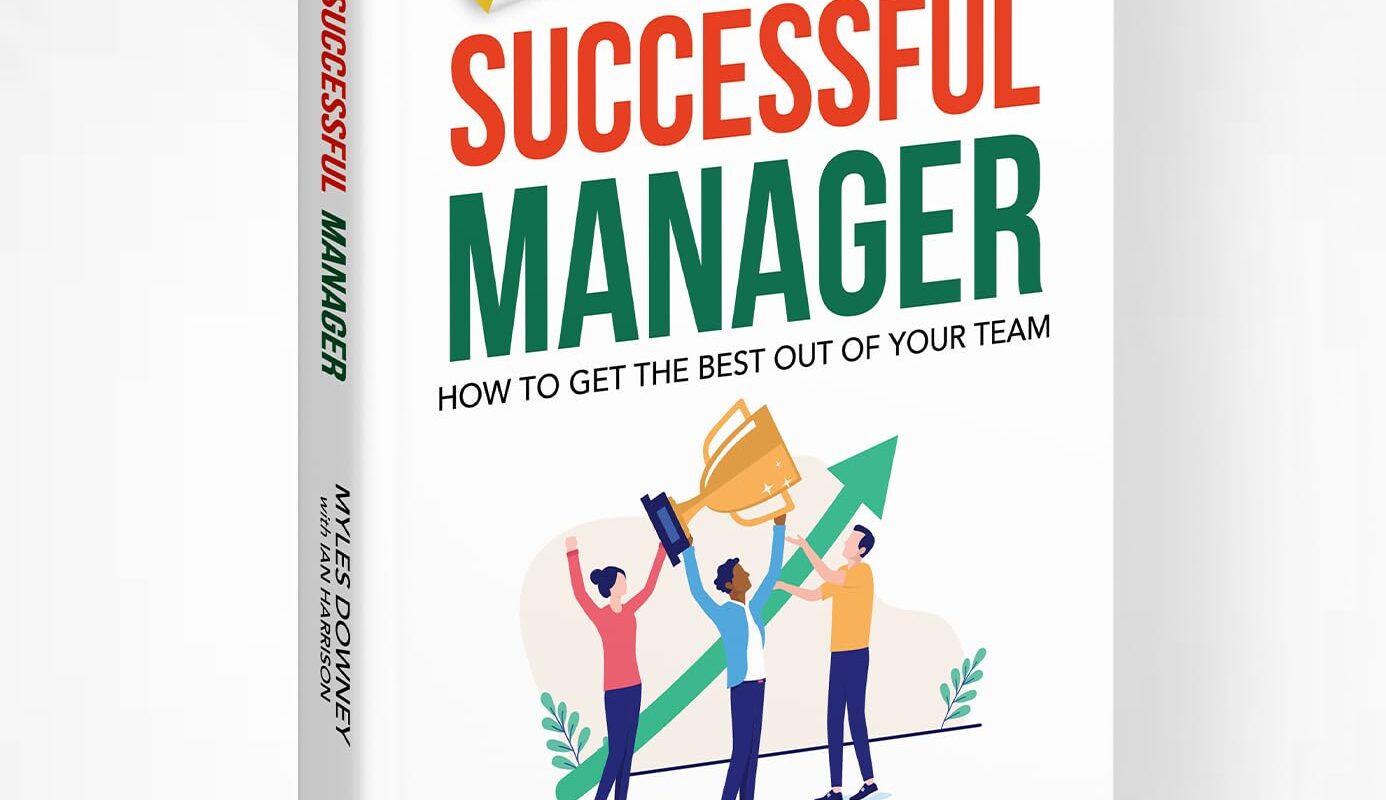
This is the central idea behind The Successful Manager by Myles Downey with Ian Harrison. The book challenges traditional management thinking and introduces a practical, coaching-based approach to leadership that helps managers unlock the potential of their teams.
If you’re a new manager, team leader, entrepreneur, or executive looking to build stronger teams and improve performance, this book offers valuable insights that remain highly relevant in today’s workplace.
👉 If you’d like to read the complete book, you can find it here: https://amzn.to/3RGHjVA
About the Authors
Myles Downey is internationally recognized as one of the pioneers of workplace coaching. His work has influenced leaders around the world by promoting a management style based on empowerment rather than control.
Ian Harrison contributes practical leadership experience that complements Downey’s coaching philosophy, creating a book that is both insightful and actionable.
Together, they present a management framework that focuses on developing people rather than merely supervising tasks.
Why This Book Matters Today
The workplace has changed dramatically over the past decade.
Remote work, hybrid teams, changing employee expectations, and rapid technological advancement have transformed the manager’s role.
Employees no longer want managers who simply assign work and monitor performance. They want leaders who:
- Provide guidance
- Encourage growth
- Build trust
- Create accountability
- Support professional development
The Successful Manager addresses these modern challenges by teaching managers how to become effective coaches.
The Shift from Managing to Coaching
One of the book’s most powerful messages is that managers should spend less time directing and more time coaching.
Traditional management often follows this pattern:
- Identify a problem
- Provide a solution
- Monitor execution
While this may produce short-term results, it can create dependency.
Employees begin relying on managers for every decision.
A coaching manager takes a different approach:
- Ask questions
- Encourage thinking
- Support decision-making
- Develop confidence
Instead of creating followers, coaching managers create capable problem-solvers.
Lesson 1: People Perform Better When They Own the Solution
Managers frequently feel pressure to have all the answers.
The book argues that this mindset can actually limit team growth.
When employees develop their own solutions, they become:
- More committed
- More accountable
- More creative
- More engaged
Ownership creates motivation.
Rather than telling employees what to do, successful managers guide them toward discovering answers independently.
This simple shift can dramatically improve performance across a team.
Lesson 2: Listening Is a Leadership Superpower
Many managers believe communication is primarily about speaking.
Downey and Harrison suggest the opposite.
Exceptional managers spend more time listening than talking.
Active listening helps leaders:
- Understand challenges
- Identify opportunities
- Build trust
- Improve relationships
When employees feel genuinely heard, they become more willing to contribute ideas and take initiative.
Listening creates psychological safety, which is essential for innovation and collaboration.
Lesson 3: Trust Is the Foundation of High Performance
Trust is one of the recurring themes throughout the book.
Without trust:
- Communication breaks down
- Collaboration suffers
- Innovation declines
- Engagement decreases
Successful managers intentionally build trust through:
- Consistency
- Honesty
- Reliability
- Transparency
Trust isn’t built through motivational speeches.
It is built through everyday actions and decisions.
Employees watch what leaders do more closely than what they say.
Lesson 4: Delegation Is About Development
Many managers struggle with delegation.
They believe:
- It takes longer to teach someone.
- Nobody can do it as well as they can.
- Mistakes are too costly.
The book challenges this thinking.
Delegation isn’t simply about reducing workload.
It’s about developing people.
When managers delegate effectively, they create opportunities for employees to:
- Learn new skills
- Build confidence
- Gain experience
- Prepare for future leadership roles
Strong organizations grow because managers invest in developing others.
Lesson 5: Questions Are More Powerful Than Instructions
One of the most practical concepts in the book is the power of asking better questions.
Instead of saying:
“You should do this.”
Try asking:
“What options have you considered?”
Instead of:
“Here’s the solution.”
Ask:
“What solution do you think would work best?”
Questions stimulate thinking.
Instructions often shut it down.
Great managers understand that leadership isn’t about having the loudest voice. It’s about creating the conditions for others to think effectively.
Lesson 6: Feedback Should Drive Growth
Many employees fear feedback because it is often associated with criticism.
The authors encourage managers to rethink feedback entirely.
Effective feedback should:
- Be timely
- Be specific
- Focus on behavior
- Encourage improvement
The goal isn’t judgment.
The goal is growth.
Managers who provide constructive feedback consistently help employees improve performance while strengthening professional relationships.
Lesson 7: Self-Awareness Makes Better Leaders
The book emphasizes that leadership begins with self-awareness.
Before managing others effectively, managers must understand:
- Their strengths
- Their weaknesses
- Their communication style
- Their emotional triggers
Self-aware leaders are better equipped to:
- Handle conflict
- Manage stress
- Build relationships
- Make sound decisions
Leadership development starts from within.
Lesson 8: Create a Culture of Continuous Learning
The most successful teams view learning as an ongoing process.
Managers play a crucial role in creating this environment.
The book encourages leaders to:
- Encourage experimentation
- Celebrate learning
- Support development
- View mistakes as opportunities
Organizations that prioritize learning are often more adaptable and resilient.
In today’s rapidly changing world, this mindset is a competitive advantage.
Applying These Lessons in Everyday Management
Reading leadership books is valuable.
Applying the lessons is where transformation occurs.
Here are practical ways to implement the book’s ideas:
During Team Meetings
- Ask more questions.
- Encourage participation.
- Invite different perspectives.
During One-on-One Conversations
- Focus on listening.
- Explore challenges together.
- Support employee development goals.
During Performance Reviews
- Discuss strengths and opportunities.
- Create development plans.
- Encourage ownership.
During Problem-Solving Sessions
- Guide rather than direct.
- Help employees generate solutions.
- Build confidence through autonomy.
Who Should Read This Book?
The Successful Manager is ideal for:
- First-time managers
- Team leaders
- Business owners
- Entrepreneurs
- HR professionals
- Project managers
- Executives
Whether you manage two people or two hundred, the principles remain highly relevant.
👉 Get your copy here: https://amzn.to/3RGHjVA
Key Takeaways from The Successful Manager
Here are the biggest lessons from the book:
✅ Great managers coach rather than command.
✅ Listening is more powerful than speaking.
✅ Trust drives team performance.
✅ Delegation develops future leaders.
✅ Questions often outperform instructions.
✅ Feedback should focus on growth.
✅ Self-awareness strengthens leadership.
✅ Learning cultures outperform stagnant ones.
Final Thoughts
The Successful Manager by Myles Downey with Ian Harrison offers a refreshing perspective on leadership.
Instead of promoting authority, control, and command, the authors advocate for coaching, empowerment, and development.
Their message is simple yet profound:
The best managers do not create dependency.
They create capability.
In a world where organizations increasingly rely on innovation, collaboration, and adaptability, this philosophy has never been more important.
For anyone seeking to become a more effective leader, this book provides practical guidance that can improve both team performance and personal leadership effectiveness.
If you’re serious about becoming a better manager, this book deserves a place on your reading list.
📚 Grab your copy today: https://amzn.to/3RGHjVA
Must-Read Book Summaries You’ll Love
If leadership, mindset, influence, and personal growth fascinate you, don’t stop here. These hand-picked book summaries from our blog dive deeper into psychology, success, motivation, power, and timeless wisdom—each packed with practical takeaways you can use immediately:
Discover the psychology behind why people say “yes” and how ethical persuasion can transform leadership and decision-making.
Learn the life-changing power of seeing the world as it truly is, backed by data, logic, and optimism that reshapes how leaders think.
A deep dive into Daniel H. Pink’s revolutionary ideas on motivation—and why autonomy, mastery, and purpose matter more than rewards.
Explore how vulnerability becomes strength, helping leaders build trust, courage, and wholehearted living in both work and life.
A timeless guide to living in the present moment, reducing stress, and unlocking inner clarity—essential for mindful leadership.
An inside look at the mind of a visionary who is reshaping the future through relentless ambition, innovation, and risk-taking.
A bold exploration of power, politics, and leadership realities, offering lessons that remain surprisingly relevant today.
Master timeless strategies for winning—not just in war, but in business, leadership, and everyday challenges.
Uncover the money lessons schools never taught you, and reshape how you think about wealth, assets, and financial freedom.
The 7 Habits of Highly Effective People by Stephen R. Covey
A classic blueprint for personal effectiveness, leadership excellence, and long-term success that never goes out of style.
- Why Explore These Book Summaries?
- ✔ Quick insights from bestselling books
- ✔ Practical lessons for leadership & growth
- ✔ Easy-to-read, human-written summaries
- ✔ Perfect for lifelong learners & leaders
👉 Bookmark these reads and keep sharpening your leadership edge.
“Start Your Website Journey Today – Exclusive Hostinger Discounts!”