 by
by Introduction
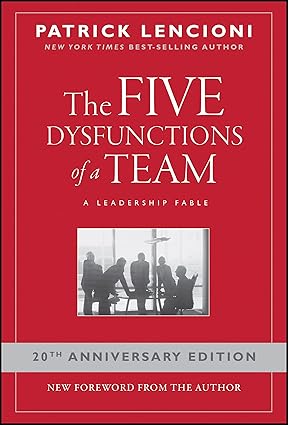
In today’s fast-paced business world, where collaboration and teamwork define success, Patrick Lencioni’s “The Five Dysfunctions of a Team” stands out as one of the most influential books on leadership and team dynamics. Whether you’re a CEO, a project manager, or a team leader trying to build trust and accountability within your organization, this book is a must-read.
👉 Grab your copy here: The Five Dysfunctions of a Team by Patrick Lencioni
Why This Book Still Matters Today
Even though it was first published years ago, Lencioni’s message remains timeless. Businesses still face the same internal challenges — lack of trust, poor communication, and low accountability — that silently destroy performance.
In a world obsessed with technical skills and productivity hacks, Lencioni reminds us that human relationships form the real foundation of any successful organization. His model, beautifully captured in “The Five Dysfunctions of a Team,” helps leaders diagnose and fix the core behavioral issues that undermine team effectiveness.
If you’ve ever wondered why talented people fail to perform as a cohesive unit — this book gives you the answers.
The Storytelling Approach That Hooks You
Unlike traditional business books filled with theory, Patrick Lencioni takes a unique approach. He tells a story — a fable — about a struggling Silicon Valley startup, DecisionTech, where the new CEO must bring a fractured executive team together.
This storytelling style makes the lessons engaging and relatable. You don’t just read about teamwork; you see it unfold through believable characters and real-world challenges.
By the time you finish the story, you’re not just inspired — you’re equipped with practical insights you can apply to your own team immediately.
If you haven’t read it yet, you can get your copy here: Buy The Five Dysfunctions of a Team
The Core Idea: The Five Dysfunctions Pyramid
Lencioni presents a simple but powerful five-layer pyramid that explains why teams often fail to perform at their best. Each layer represents a dysfunction that builds upon the previous one — meaning, if the lower dysfunction isn’t fixed, the ones above it can’t be resolved either.
Here’s the model at a glance:
- Absence of Trust
- Fear of Conflict
- Lack of Commitment
- Avoidance of Accountability
- Inattention to Results
Let’s explore each dysfunction in detail — and, more importantly, how to overcome them.
1. Absence of Trust — The Root of All Problems
At the foundation of Lencioni’s pyramid lies trust. Without trust, a team cannot function effectively.
Lencioni defines trust not as reliability (“I can count on you to do your job”) but as vulnerability-based trust — the willingness to be open about weaknesses, mistakes, and fears.
When team members hide behind masks of competence, communication breaks down. No one admits when they need help. And that’s where dysfunction starts.
How to Build Trust
- Encourage vulnerability — leaders should go first by admitting their own mistakes.
- Conduct team-building exercises that allow people to share personal stories or experiences.
- Celebrate honesty, even when it’s uncomfortable.
When trust grows, people collaborate instead of competing internally. The entire organization becomes stronger.
👉 Want to learn practical tools to build team trust? Get the book here
2. Fear of Conflict — The Silent Killer of Innovation
Many teams think harmony equals health. But Lencioni argues that’s a myth.
When there’s fear of conflict, team members avoid tough conversations. They don’t challenge ideas or give honest feedback. The result? Meetings become dull, decisions become weak, and innovation dies.
Healthy conflict — when handled with respect — is essential for growth. Great teams debate passionately because they care deeply about results.
How to Overcome Fear of Conflict
- Create safe spaces for disagreement.
- Teach your team how to disagree productively.
- Reinforce that conflict is about ideas, not personalities.
When people stop fearing conflict, they stop holding back. And that’s when true creativity shines.
3. Lack of Commitment — The Confusion Zone
When a team doesn’t engage in open debate, they never feel truly heard. And if people don’t feel heard, they won’t commit to decisions — even if they nod in agreement during meetings.
This lack of commitment leads to confusion, missed deadlines, and half-hearted performance.
Lencioni explains that real commitment doesn’t mean total consensus; it means clarity and buy-in. Everyone understands what’s decided and why — even if they initially disagreed.
How to Build Commitment
- Summarize decisions at the end of meetings.
- Clarify next steps and responsibilities.
- Encourage everyone to voice their concerns before finalizing decisions.
With clear commitment, execution becomes faster and more focused.
If you’re struggling with unclear team goals, Patrick Lencioni’s model can transform your leadership approach. Buy the book here
4. Avoidance of Accountability — When Standards Slip
Once a team commits to goals, they must hold each other accountable. But in many organizations, accountability is left solely to the boss — which leads to dysfunction.
When teammates don’t call each other out on poor performance or behavior, mediocrity creeps in. The best teams are those where members hold each other accountable out of mutual respect.
How to Encourage Accountability
- Set clear standards and expectations.
- Review progress regularly as a team.
- Celebrate those who step up and address issues constructively.
Peer accountability isn’t about blame — it’s about collective ownership. That’s what makes teams unstoppable.
5. Inattention to Results — The Final Breakdown
The ultimate dysfunction occurs when team members care more about their personal success or departmental goals than the collective results of the team.
This “me over we” attitude kills performance. The best leaders align everyone around a shared vision of success — measurable goals that everyone works toward.
How to Refocus on Results
- Define clear, team-wide objectives.
- Use scoreboards or metrics that everyone can see.
- Reward collective achievements over individual wins.
When results become the north star, teams stay aligned and motivated.
The Five Dysfunctions Model in Action
What makes “The Five Dysfunctions of a Team” powerful is its real-world applicability. Whether you’re managing a corporate department, a startup, or even a non-profit, Lencioni’s model works across all industries.
Let’s look at how companies apply it:
- Startups use it to establish strong leadership cultures early.
- Corporate teams use it to repair trust and boost collaboration.
- Remote teams use it to maintain accountability across distances.
It’s a universal playbook for building healthy, results-driven teams.
👉 Want to see this model transform your team? Order the book now
Leadership Lessons from Patrick Lencioni
Beyond the five dysfunctions, Patrick Lencioni offers timeless leadership lessons that every manager can apply:
- Leaders set the tone for vulnerability. If the leader hides behind authority, no one else will open up.
- Clarity beats charisma. The best leaders communicate expectations so clearly that confusion is impossible.
- Courage matters more than comfort. The hardest conversations often lead to the greatest growth.
These principles resonate deeply with anyone serious about leadership development.
Why Every Leader Should Read This Book
If you lead people — even just one person — “The Five Dysfunctions of a Team” should be on your desk. It’s not just about managing a team; it’s about transforming your culture.
Here’s what makes it indispensable:
- It’s easy to read yet profoundly insightful.
- It provides a diagnostic tool for identifying hidden team issues.
- It offers actionable frameworks you can implement right away.
Even experienced leaders find themselves saying, “This explains everything that’s been going wrong.”
Ready to transform your leadership approach? Get your copy today
Applying the Five Dysfunctions Framework in Your Organization
Implementing Lencioni’s model isn’t just about reading — it’s about practice. Here’s how you can start:
- Conduct a Team Health Assessment:
Evaluate where your team currently stands in each of the five areas. - Host Open Conversations:
Discuss what’s working and what’s not, without blame. - Start with Trust:
Remember, every dysfunction builds on the one below. - Create Visible Commitments:
Write down team goals, decisions, and standards. - Measure Progress:
Use regular check-ins to keep the team aligned with results.
Over time, you’ll notice stronger communication, faster decisions, and a more united culture.
The Lasting Impact of “The Five Dysfunctions of a Team”
Patrick Lencioni’s book has influenced leaders around the world — from small business owners to executives of Fortune 500 companies.
Its message is simple yet powerful: Success begins when people stop pretending to be perfect and start being real.
The book’s legacy lies in how it humanizes leadership. It’s not about processes; it’s about people.
If you’re passionate about leadership growth, this book will become your lifelong companion.
👉 Grab The Five Dysfunctions of a Team on Amazon
Final Thoughts: Turning Dysfunction into Strength
Every team has dysfunctions — that’s part of being human. What separates great teams from average ones is how they deal with them.
Patrick Lencioni doesn’t promise a quick fix. He offers something better — a roadmap for long-term transformation.
By applying his principles, you can turn fear into trust, silence into dialogue, and chaos into results.
So, if you’re ready to lead a team that’s truly united and high-performing, this is your next read.
👉 Click here to get The Five Dysfunctions of a Team by Patrick Lencioni
Must-Read Book Summaries You’ll Love
If leadership, mindset, influence, and personal growth fascinate you, don’t stop here. These hand-picked book summaries from our blog dive deeper into psychology, success, motivation, power, and timeless wisdom—each packed with practical takeaways you can use immediately:
Discover the psychology behind why people say “yes” and how ethical persuasion can transform leadership and decision-making.
Learn the life-changing power of seeing the world as it truly is, backed by data, logic, and optimism that reshapes how leaders think.
A deep dive into Daniel H. Pink’s revolutionary ideas on motivation—and why autonomy, mastery, and purpose matter more than rewards.
Explore how vulnerability becomes strength, helping leaders build trust, courage, and wholehearted living in both work and life.
A timeless guide to living in the present moment, reducing stress, and unlocking inner clarity—essential for mindful leadership.
An inside look at the mind of a visionary who is reshaping the future through relentless ambition, innovation, and risk-taking.
A bold exploration of power, politics, and leadership realities, offering lessons that remain surprisingly relevant today.
Master timeless strategies for winning—not just in war, but in business, leadership, and everyday challenges.
Uncover the money lessons schools never taught you, and reshape how you think about wealth, assets, and financial freedom.
The 7 Habits of Highly Effective People by Stephen R. Covey
A classic blueprint for personal effectiveness, leadership excellence, and long-term success that never goes out of style.
- Why Explore These Book Summaries?
- ✔ Quick insights from bestselling books
- ✔ Practical lessons for leadership & growth
- ✔ Easy-to-read, human-written summaries
- ✔ Perfect for lifelong learners & leaders
👉 Bookmark these reads and keep sharpening your leadership edge.
“Start Your Website Journey Today – Exclusive Hostinger Discounts!”

Turn Any Idea into Viral,
Jaw-Dropping AI Videos in Seconds!